Termite Damage Restoration in Wilmington, NC
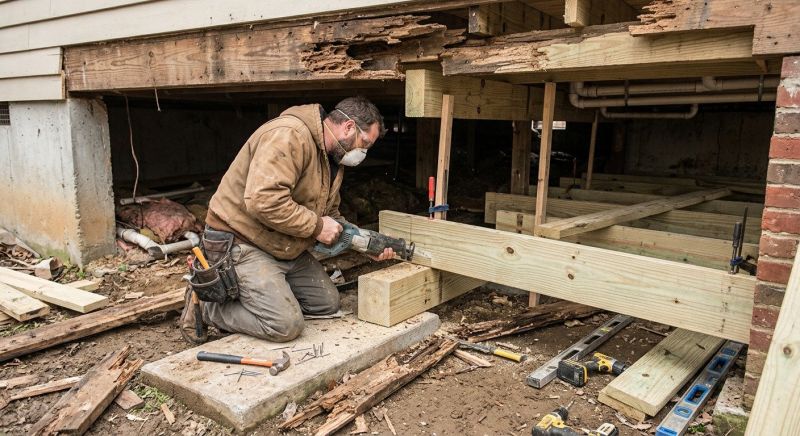
Termite damage restoration services focus on repairing and restoring properties that have been affected by termite infestations. These projects typically involve assessing the extent of the damage, removing compromised structural elements, and replacing or reinforcing affected areas such as wood framing, drywall, flooring, and trim. Property owners seeking this service want to understand the scope of repairs needed, the types of materials involved, and the importance of addressing underlying termite issues to prevent future damage.
Homeowners often request termite damage restoration after discovering signs of infestation or experiencing structural concerns like sagging floors, cracked walls, or hollow-sounding wood. It is important for property owners to know that the process involves thorough inspection, careful removal of damaged materials, and precise reconstruction to restore safety and stability. Clarifying the scope of work, the materials used, and the expected outcomes can help ensure confidence in the repair process and the longevity of the property’s structural integrity.
Many property owners in Wilmington, NC look into Termite Damage Restoration for repairs, replacements, upgrades, and appearance-related improvements.
Identifying Termite Damage
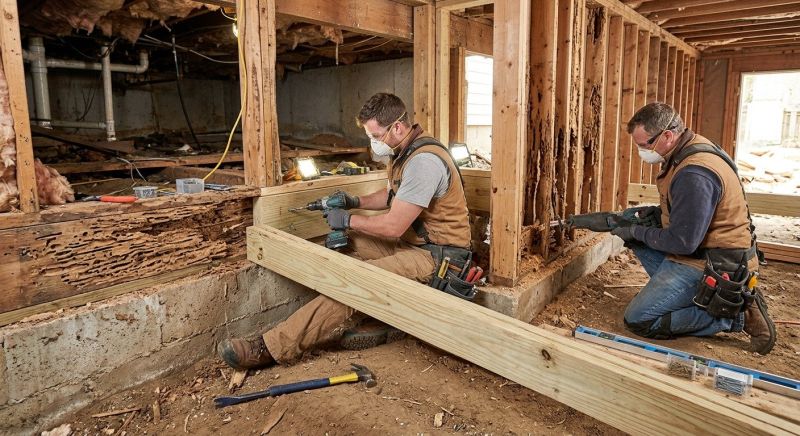
Early signs of termite activity can prevent extensive structural issues in homes around wilmington, nc.
Restoration Process
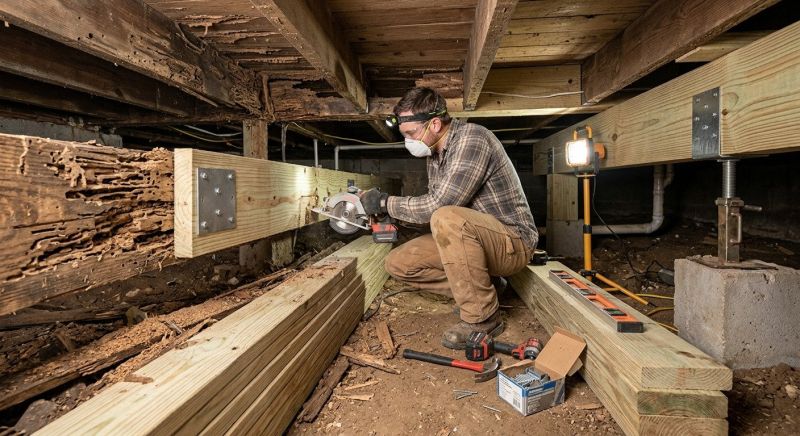
Restoring a property after termite damage involves structural repairs and treatment to prevent future infestations.
Preventive Measures
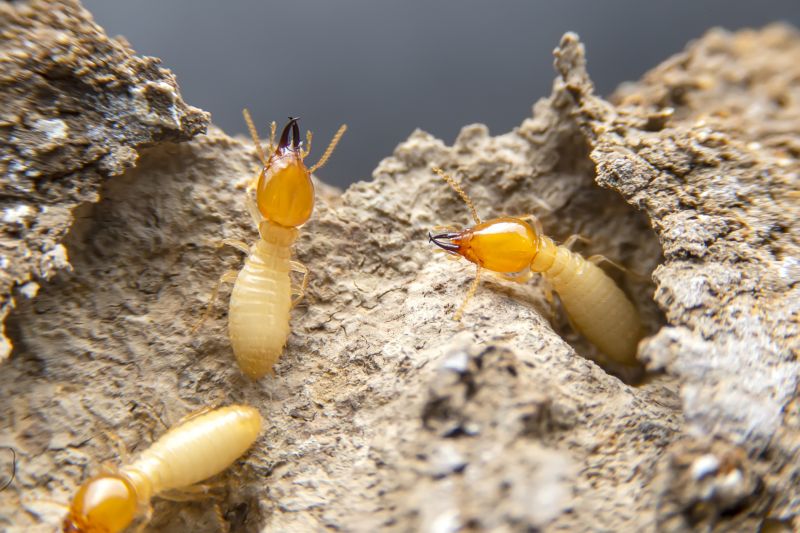
Implementing effective barriers and inspections helps protect wilmington homes from recurring termite problems.
Termite Damage Restoration in Wilmington, NC
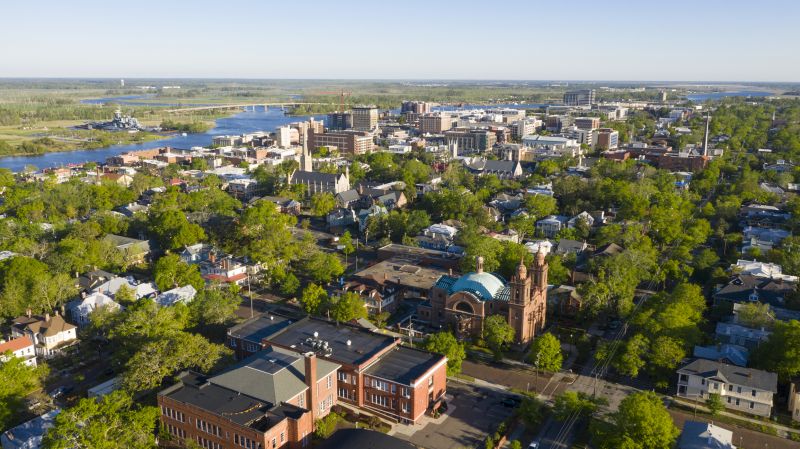
Termite damage restoration services focus on repairing and restoring properties that have been affected by termite infestations. These projects typically involve assessing the extent of the damage, removing compromised structural elements, and replacing or reinforcing affected areas such as wood framing, drywall, flooring, and trim. Property owners seeking this service want to understand the scope of repairs needed, the types of materials involved, and the importance of addressing underlying termite issues to prevent future damage.
Homeowners often request termite damage restoration after discovering signs of infestation or experiencing structural concerns like sagging floors, cracked walls, or hollow-sounding wood. It is important for property owners to know that the process involves thorough inspection, careful removal of damaged materials, and precise reconstruction to restore safety and stability. Clarifying the scope of work, the materials used, and the expected outcomes can help ensure confidence in the repair process and the longevity of the property’s structural integrity.
Many property owners in Wilmington, NC look into Termite Damage Restoration for repairs, replacements, upgrades, and appearance-related improvements.
Common Termite Damage Restoration Jobs
Termite Damage Restoration - repairs structural damage caused by termite infestations.
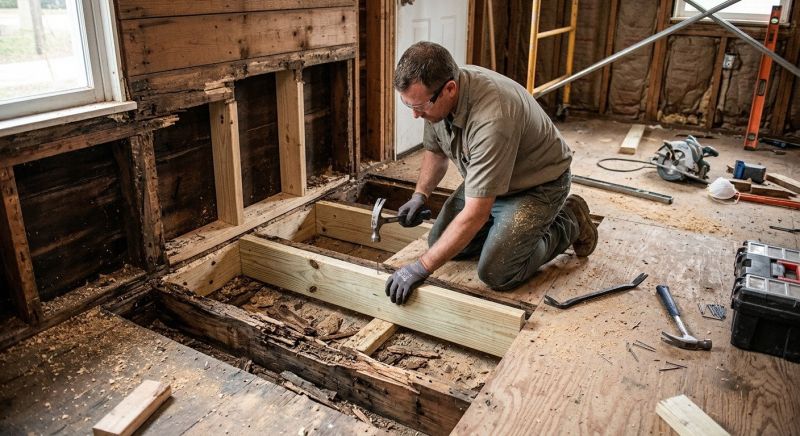
Wood Repair and Replacement - restores damaged wood framing, flooring, and support beams.
Structural Stabilization - reinforces weakened areas to ensure property safety and stability.
Moisture Control - addresses moisture issues that attract termites and promote damage.
Damage Assessment - evaluates extent of termite-related harm for effective restoration planning.
Preventative Treatments - applies treatments to reduce the risk of future termite infestations.
Termite Damage Restoration Questions
What types of termite damage restoration services are available? Services include repairing damaged wood, replacing affected structures, and treating for ongoing termite activity to prevent future issues.
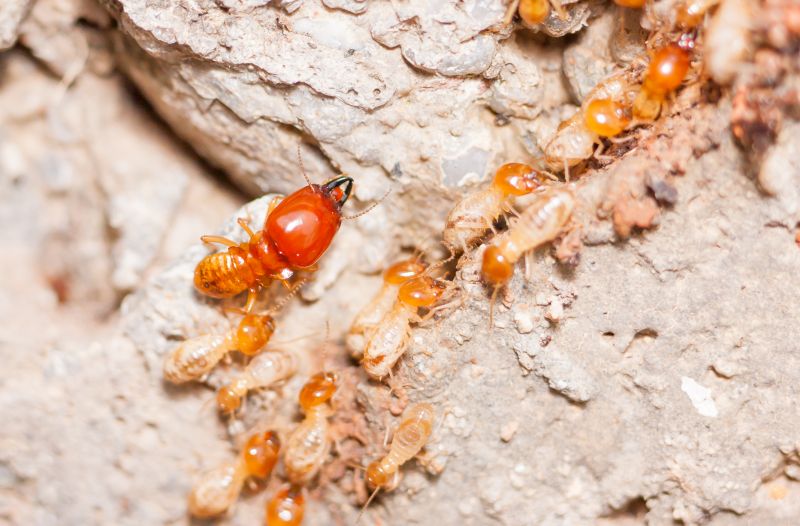
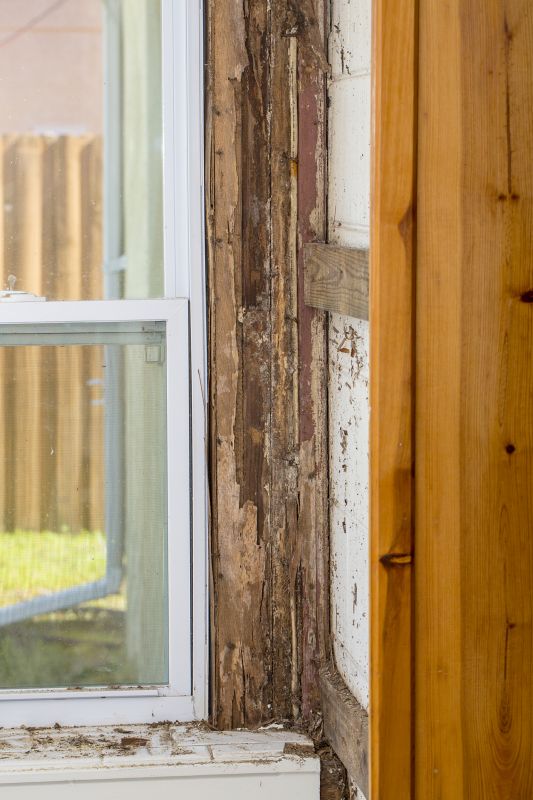
How can I tell if my property has termite damage? Signs include visible termite tunnels, damaged wood, hollow-sounding wood, and discarded wings near entry points.
Is termite damage repair necessary even if the termites are gone? Yes, repairs are needed to restore structural integrity and prevent further deterioration caused by previous infestations.
What areas of my property are most vulnerable to termite damage? Commonly affected areas include basements, crawl spaces, wooden framing, and areas with moisture or wood-to-soil contact.
Request Termite Damage Restoration in Wilmington, NC
Use the quote form on this page to share the basics of your project and request more information for the type of work you need.